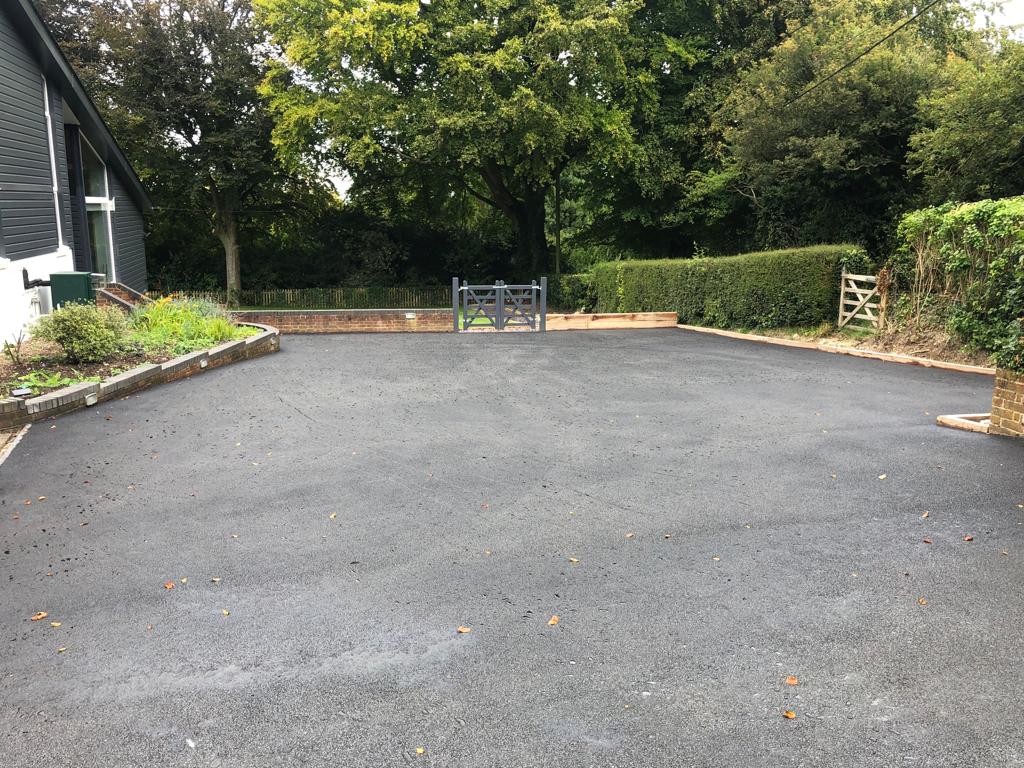
Spray and seal bitumen surfacing is widely used for roads, driveways, access tracks and other trafficked areas because it provides a protective, durable wearing surface when correctly installed and maintained. However, like any pavement, it gradually experiences wear from vehicle movements, weather exposure and changes in the underlying surface.
Recognising early signs of deterioration is important because minor surface defects can develop into more extensive damage when left unattended. Loose aggregate, exposed binder, fine cracking and areas of uneven wear may all indicate that a spray and seal surface requires closer inspection.
For property owners and businesses in Victor Harbour, SA, understanding what to look for can help maintain reliable access and protect the existing pavement. At Victor Harbour Road Tech SA, professional bitumen surfacing and maintenance focus on identifying deterioration early and determining the appropriate treatment before damage becomes more widespread.
Understanding How Spray and Seal Surfaces Deteriorate
Spray and seal surfacing involves applying a bituminous binder to a prepared pavement before covering it with selected aggregate. The aggregate is then rolled into the binder to create a protective wearing surface.
The binder helps secure the aggregate and limits water penetration, while the stone provides texture and helps protect the underlying bitumen from direct traffic wear.
Over time, the surface can change as traffic repeatedly passes across it and the materials experience environmental exposure. The binder may gradually harden, aggregate can become polished or dislodged, and existing pavement movement may become visible through the seal.
Not every change indicates serious damage. Some loose stone is expected shortly after a new spray and seal application, for example. The important distinction is whether the surface is behaving normally or showing progressive deterioration.
1. Loose Aggregate Appearing Across the Surface
One of the earliest signs of spray and seal deterioration is aggregate beginning to separate from the bitumen binder.
A small amount of loose stone can be normal after a recently completed sealing application. However, continued aggregate loss from an established surface may indicate that the bond between the stone and binder is weakening.
Common warning signs include:
- Loose stones accumulating along the edges
- Bare patches appearing within previously sealed areas
- Increasingly uneven surface texture
- Aggregate being displaced by regular vehicle movements
- Individual sections losing noticeably more stone than surrounding areas
Aggregate loss can leave the binder more exposed to traffic and weather. If deterioration continues, the protective seal may become less effective.
Professional assessment can help determine whether the problem is localised or whether a larger section requires attention.
2. Changes in Surface Colour and Appearance
A spray and seal surface naturally changes appearance as it ages.
Fresh bitumen is generally dark, while an established surface often appears lighter as aggregate becomes more prominent and the binder weathers.
Colour changes alone do not necessarily indicate that repairs are required. However, noticeable differences between sections can sometimes reveal uneven wear.
For example, areas that appear unusually bare, patchy or heavily exposed may have experienced greater aggregate loss.
When inspecting a surface, it is useful to compare high-traffic sections with areas that receive less vehicle movement. Significant differences may indicate where deterioration is developing.
3. Fine Cracks Beginning to Appear
Cracking is an important warning sign because it can provide a pathway for moisture to enter the pavement.
Small cracks may initially appear around wheel paths, pavement joints or sections experiencing movement beneath the surface.
Although they may seem insignificant, repeated traffic and water penetration can cause cracks to widen over time.
Cracking can develop for several reasons, including:
- Ageing of the bituminous materials
- Movement within the supporting pavement
- Repeated traffic loading
- Existing cracks reflecting through the seal
- Localised settlement
A spray and seal treatment can help protect a suitable pavement, but it cannot permanently prevent cracks caused by substantial movement underneath.
Identifying the reason for cracking is therefore important before deciding whether resealing or more extensive repairs are appropriate.
4. Bare Patches Where Aggregate Has Worn Away
Bare patches are areas where the protective aggregate layer has become noticeably reduced or has disappeared.
These sections may initially appear small, particularly in frequently travelled wheel paths or turning areas.
Once the aggregate is lost, the exposed binder receives more direct traffic contact. Depending on the condition of the material, this can accelerate surface wear.
Bare patches should be assessed to establish whether the binder remains suitable or whether the affected section requires repair.
Where aggregate loss is widespread, professional resealing may be considered if the underlying pavement remains structurally sound.
5. Aggregate Becoming Polished or Smooth
Aggregate provides much of the surface texture of a spray and seal pavement.
Repeated vehicle movements can gradually wear and polish the exposed stone, particularly where traffic follows consistent wheel paths.
A surface that appears increasingly smooth may have lost some of its original texture.
This is different from loose aggregate. The stone may remain securely embedded in the binder while its exposed surface becomes worn.
Texture loss is particularly important in areas involving regular braking, turning or changes in direction.
A professional inspection can help determine whether the existing surface still provides suitable performance or whether further treatment should be considered.
6. Wheel Tracks Becoming More Noticeable
Repeated traffic often concentrates loads along the same sections of a road or driveway.
If the pavement begins developing shallow depressions or visible wheel tracks, this may indicate that the supporting layers are experiencing movement.
It is important to distinguish between surface wear and structural deformation.
Spray and seal is a relatively thin surface treatment. It protects the pavement but does not provide the same structural contribution as a substantial asphalt layer.
If wheel tracks are forming because the base is weak or unstable, applying another seal will not correct the underlying problem.
The affected pavement may require grading, base repairs or other preparation before further surfacing work is undertaken.
7. Water Collecting in Previously Well-Drained Areas
Changes in drainage can reveal deterioration that is not immediately obvious from the appearance of the seal.
A surface that previously shed rainfall effectively may begin holding water in shallow depressions or uneven sections.
Standing water can increase the opportunity for moisture to enter existing cracks and damaged areas.
Over time, this may affect the supporting pavement and contribute to additional deterioration under vehicle loading.
After rainfall, property owners can look for:
- Water collecting in wheel tracks
- Puddles remaining in isolated depressions
- Runoff repeatedly entering damaged sections
- Water accumulating beside deteriorating pavement edges
- Changes in the direction of surface drainage
Where these problems are developing, restoring appropriate pavement levels or improving drainage may be necessary before resealing.
8. Surface Wear Around Turning and Braking Areas
Some parts of a spray and seal surface experience greater stress than others.
Vehicle turning, braking and acceleration introduce forces that act across the pavement rather than simply downwards.
These movements can place additional pressure on the aggregate and its bond with the bituminous binder.
Entrances, parking areas, turning points and frequently used access routes may therefore show deterioration earlier than straight sections experiencing steady vehicle movements.
Inspecting these areas regularly can help identify localised wear before the damage spreads into surrounding pavement.
9. Edges Beginning to Break Away
Pavement edges are particularly vulnerable where the surrounding ground does not provide adequate support.
Vehicles travelling close to an unsupported edge can place repeated pressure on the outer section of the pavement. Water may also enter through cracks or gaps along the boundary.
Early signs of edge deterioration include small cracks, loose aggregate, crumbling sections and gradual loss of the original pavement line.
If these defects continue developing, the damaged area may extend further into the trafficked surface.
Professional repairs may involve addressing the affected pavement edge and improving the supporting material before the surface is restored.
10. Repeated Deterioration in the Same Location
A section that continually develops loose aggregate, cracking or potholes may have an underlying problem that surface treatments alone cannot resolve.
Possible contributing factors include poor drainage, weak base material, concentrated traffic loads or movement beneath the pavement.
Repeatedly treating the visible defect without identifying its cause may produce only a temporary improvement.
Professional assessment is particularly valuable where deterioration returns shortly after previous maintenance.
Understanding why the same location keeps failing helps determine whether localised repairs, base preparation or broader resurfacing work is required.
When Should a Spray and Seal Surface Be Inspected?
Regular visual inspections are useful for identifying changes before deterioration becomes extensive.
Rather than relying on a fixed schedule alone, property owners should consider how frequently the surface is used and the conditions it experiences.
Inspection is particularly worthwhile:
- After periods of substantial rainfall
- When new cracks or bare patches appear
- If loose aggregate becomes increasingly noticeable
- When drainage patterns begin changing
- Where frequent turning or heavy traffic causes concentrated wear
- If previous repairs show signs of deterioration
It is also useful to observe whether defects remain stable or progressively worsen.
A small area of surface wear may require monitoring, while expanding cracking or aggregate loss may justify earlier professional attention.
Can Early Spray and Seal Wear Be Repaired?
In many situations, early deterioration can be addressed before the pavement requires extensive reconstruction.
The appropriate treatment depends on the type of defect and the condition of the supporting structure.
Localised surface damage may be suitable for targeted repairs. Where the existing seal has become worn across a larger area, resealing may restore a protective wearing layer, provided the underlying pavement remains suitable.
However, problems involving significant rutting, settlement or base failure generally require additional preparation.
The purpose of professional assessment is to establish whether deterioration is limited to the seal or extends into the pavement underneath.
When Is Spray and Seal Resealing Appropriate?
Resealing may be suitable when an existing spray and seal surface has experienced general ageing or wear but the pavement remains structurally stable.
A new application of binder and aggregate can renew the protective surface, restore suitable texture and reduce moisture penetration through the wearing layer.
Before resealing, the pavement should be inspected for defects that need attention.
Cracks, potholes, unstable sections and drainage problems should not simply be concealed beneath another seal.
Preparing the existing surface correctly helps the new treatment perform as intended.
Why Professional Spray and Seal Maintenance Matters
Effective maintenance involves understanding the relationship between the surface treatment and the pavement supporting it.
Aggregate loss may indicate deterioration within the seal, while rutting or recurring cracking may suggest deeper structural problems.
These conditions require different approaches.
At Victor Harbour Road Tech SA, we assess the condition of existing bitumen surfaces to help determine whether localised repairs, spray and seal resealing or additional pavement preparation is appropriate.
Professional assessment helps ensure the recommended work responds to the actual condition of the surface rather than simply improving its immediate appearance.
Conclusion
Early wear on a spray and seal surface can appear in several forms, including loose aggregate, bare patches, fine cracking, polished stone, wheel ruts and changes in drainage.
Recognising these warning signs provides an opportunity to address deterioration before it becomes more extensive. However, it is important to distinguish between ordinary surface ageing and defects caused by instability within the supporting pavement.
A well-maintained spray and seal surface depends on suitable materials, correct installation, effective drainage and timely attention to developing defects.
For property owners and businesses in Victor Harbour, SA, Victor Harbour Road Tech SA provides professional asphalt and bitumen surfacing, resurfacing and spray and seal services. If your existing surface is showing signs of wear, contact our team to arrange an assessment and discuss the most appropriate way to restore and maintain its condition.
Call us on: 08 6727 9106
Click here to find out more about Victor Harbour Road Tech SA
Click here to complete our contact form and see how we can help with your Asphalt and Bitumen Surfacing needs.